

As concerns over climate change, pollution, and resource management grow, Environmental Control Technology (ECT) has become essential in modern industries, urban planning, and sustainable development. ECT encompasses systems and processes designed to monitor, manage, and reduce environmental impact, improving air quality, water conservation, and energy efficiency.
From HVAC systems in buildings to air pollution control in factories, ECT plays a crucial role in creating healthier environments. However, while it brings numerous advantages, it also presents challenges and limitations. This guide explores the key aspects of environmental control technology, its benefits, and its drawbacks.
What is Environmental Control Technology?
Environmental Control Technology (ECT) refers to the scientific and engineering methods used to regulate environmental factors to protect human health and ecosystems.
Key Areas of ECT
✔ Air Quality Control – Reducing air pollution and greenhouse gas emissions.
✔ Water & Waste Management – Treating wastewater and managing industrial waste.
✔ Climate Control Systems – HVAC systems for temperature and humidity regulation.
✔ Sustainable Energy Solutions – Solar, wind, and hydro energy systems to reduce reliance on fossil fuels.
Example: Factories use air filtration systems to capture pollutants before they enter the atmosphere, reducing environmental harm.
Unlock the Secrets of Environmental Conservation: A Course for Changemakers!
Advantages of Environmental Control Technology
ECT has significant benefits for industries, public health, and environmental sustainability.
Improved Air & Water Quality
✔ Air Filtration & Purification – Removes pollutants like CO₂, SO₂, and particulate matter.
✔ Water Treatment Plants – Ensure safe drinking water and reduce waterborne diseases.
✔ Reduced Industrial Pollution – Factories use scrubbers and catalytic converters to minimize emissions.
Fact: Clean air regulations and improved air filtration have significantly reduced air pollution in major cities.
Energy Efficiency & Sustainable Practices
✔ Reduces Carbon Footprint – Renewable energy sources cut reliance on fossil fuels.
✔ Smart Climate Control in Buildings – HVAC automation optimizes energy use, saving costs.
✔ Green Manufacturing Technologies – Lower emissions while maintaining productivity.
Example: Modern office buildings use smart sensors to regulate lighting, heating, and cooling, reducing energy waste.
Supports Industrial & Economic Growth
✔ Enables businesses to comply with environmental regulations, avoiding fines.
✔ Creates jobs in green technology, engineering, and environmental science.
✔ Increases consumer trust by promoting eco-friendly production.
Fact: The global environmental technology market is expected to grow significantly as companies adopt sustainable practices.
Climate Adaptation & Disaster Prevention
✔ Flood Management Systems – Protect cities from extreme weather events.
✔ Deforestation Control Technologies – Monitor and prevent illegal logging.
✔ Wildlife Conservation Programs – Use AI and drones for species monitoring.
Example: Some cities use urban heat mapping technology to design green spaces that reduce temperatures in heat-prone areas.
Disadvantages of Environmental Control Technology
Despite its benefits, ECT has several challenges and limitations.
High Initial Costs & Maintenance
❌ Expensive to Install – Advanced air filtration, waste management, and climate control systems require significant investment.
❌ Ongoing Maintenance Costs – Regular upgrades and repairs add to long-term expenses.
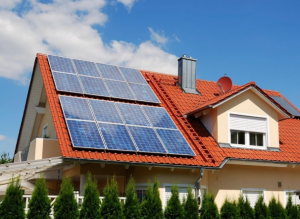
Example: Installing solar panels saves money in the long run, but the initial cost can be high for businesses and households.
Energy & Resource Demand
❌ Some environmental control systems still require large amounts of energy, leading to secondary environmental impacts.
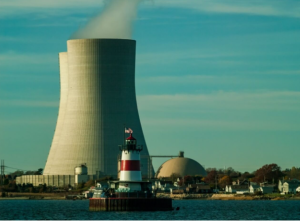
❌ Water-intensive processes (e.g., cooling systems in power plants) can strain local water supplies.
Fact: Some air purification technologies consume high levels of electricity, reducing their sustainability benefits.
Complexity & Technological Limitations
❌ Not all industries can easily adapt to advanced environmental technologies.
❌ Some systems require skilled professionals for operation and troubleshooting.
❌ Effectiveness varies – Some ECT solutions work better in specific environments than others.
Example: While carbon capture technology helps reduce CO₂ emissions, it is not yet widely scalable or cost-effective.
Resistance to Change & Regulatory Challenges
❌ Industries may resist adopting ECT due to cost concerns and operational changes.
❌ Government policies vary, leading to inconsistent adoption of sustainable practices.
Example: Some companies avoid switching to eco-friendly alternatives because of the high transition costs and lack of incentives.

Future of Environmental Control Technology
Despite its challenges, ECT continues to evolve, with new innovations improving sustainability and efficiency.
Emerging Technologies
🚀 Artificial Intelligence (AI) in Environmental Monitoring – Predicts and prevents pollution and deforestation.
🚀 Advanced Carbon Capture & Storage (CCS) – Reduces industrial CO₂ emissions.
🚀 Smart Grid & Energy Storage – Makes renewable energy more reliable and scalable.
🚀 Biodegradable Materials & Green Chemistry – Reduces plastic waste and toxic chemicals.
Fact: AI-powered environmental monitoring systems can predict pollution spikes before they occur, allowing for faster response measures.
Unlock the Secrets of Environmental Conservation: A Course for Changemakers!
Conclusion
Environmental Control Technology (ECT) is essential for reducing pollution, improving sustainability, and protecting ecosystems. While it has numerous advantages, including cleaner air, energy efficiency, and economic benefits, it also comes with high costs, energy demand, and technological limitations.
As innovation progresses, emerging technologies will continue to enhance environmental control efforts, making industries more sustainable and reducing ecological damage.
Key Takeaways:
✅ ECT improves air quality, water treatment, and energy efficiency.
✅ It supports economic growth and sustainable development.
✅ Challenges include high costs, energy use, and resistance to change.
✅ The future of ECT lies in AI, carbon capture, and smart environmental management.
Interested in eco-friendly technology? Stay informed about new sustainability innovations shaping our future!