


In an era of climate change, biodiversity loss, and resource depletion, sustainable development is no longer a choice—it’s a necessity. Governments, industries, and communities worldwide are turning to structured frameworks like the Environmental Action Programme (EAP) to align environmental responsibility with economic and social progress.
An Environmental Action Programme is a strategic roadmap that guides efforts toward achieving sustainability goals, reducing environmental harm, and encouraging green innovation. But success doesn’t lie in having a plan—it lies in how effectively that plan is implemented.
This comprehensive guide explores the key strategies for implementing the Environmental Action Programme, offering practical insights for policymakers, organisations, and communities committed to building a greener, more resilient future.
What Is an Environmental Action Programme (EAP)?
An Environmental Action Programme is a strategic policy tool designed to coordinate environmental efforts across sectors and governance levels. These programmes are typically used by national governments, international bodies (such as the EU), and regional authorities to set priorities, allocate resources, and measure progress on environmental goals.
Core Goals Often Include:
- Reducing greenhouse gas emissions
- Promoting resource efficiency and circular economy models
- Protecting ecosystems and biodiversity
- Enhancing environmental governance and law enforcement
- Encouraging sustainable urban and rural development
💡 The EU’s 8th Environmental Action Programme (2021–2030) is a prime example, aligning environmental goals with the European Green Deal.
Unlock Your Green Future with the Environmental Management Certificate!

Aligning Policy with Sustainability Objectives
Effective EAP implementation begins with integrating environmental considerations into mainstream policy and decision-making.
Key Actions:
- Conducting Environmental Impact Assessments (EIAs) for all major infrastructure projects
- Ensuring cross-sectoral coordination (e.g., linking environmental, transport, and energy policies)
- Establishing green public procurement policies to favour sustainable goods and services
💡 Mainstreaming environmental policy ensures that sustainability is embedded in economic planning—not treated as an afterthought.
Strengthening Legal and Institutional Frameworks
For EAP goals to be enforceable, a strong legal backbone is essential.
Strategies:
- Updating environmental legislation to reflect international agreements (e.g., Paris Agreement, SDGs)
- Establishing independent environmental regulatory bodies
- Improving compliance monitoring and enforcement mechanisms
💡 Robust governance builds public trust and ensures that environmental rules are actually followed.
Mobilising Financing for Green Development
Implementing sustainability strategies requires substantial financial resources.
Funding Approaches:
- Green bonds and environmental taxes to fund eco-projects
- Accessing international climate finance (e.g., from the Green Climate Fund)
- Offering subsidies or tax breaks for eco-innovations and clean energy adoption
- Encouraging public-private partnerships (PPPs) for large-scale sustainability investments
💡 Targeted investment ensures that eco-friendly alternatives are not only available but also affordable.
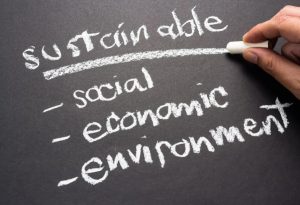
Promoting Sustainable Industry Practices
Businesses play a critical role in achieving EAP goals. Governments can steer industries toward greener practices through regulation, incentives, and collaboration.
Implementation Tactics:
- Encouraging eco-certification and environmental management systems (e.g., ISO 14001)
- Supporting the transition to low-carbon production methods
- Facilitating industrial symbiosis (where one company’s waste becomes another’s resource)
- Promoting extended producer responsibility (EPR) schemes to reduce waste
💡 Cleaner production methods lead to long-term savings and competitiveness while protecting the environment.
Driving Community Engagement and Behavioural Change
People power is essential. No Environmental Action Programme can succeed without public support and active participation.
How to Engage:
- Launch public awareness campaigns on sustainability and conservation
- Provide education and training on climate action, waste management, and energy use
- Support citizen science and community-led environmental initiatives
- Encourage participatory governance, allowing citizens to help shape environmental policy
💡 When individuals feel informed and empowered, they are more likely to change habits and demand accountability.
Leveraging Innovation and Technology
Modern technology offers powerful tools to advance sustainability.
Tech-Driven Strategies:
- Use AI and big data for real-time environmental monitoring
- Promote smart cities with energy-efficient infrastructure
- Support clean energy technologies, such as solar, wind, and hydrogen
- Deploy digital platforms to improve transparency and data sharing on environmental metrics
💡 Innovation accelerates progress, turning complex sustainability goals into achievable outcomes.
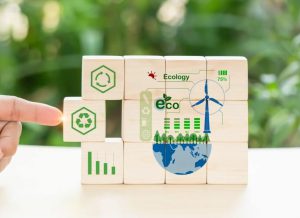
Monitoring, Evaluation, and Adaptive Management
Tracking progress is essential to understanding what works and what doesn’t. EAPs must include clear indicators and mechanisms for regular review.
Best Practices:
- Set measurable KPIs (Key Performance Indicators) for each environmental goal
- Publish annual sustainability reports or dashboards
- Use adaptive management to adjust policies based on outcomes and new data
- Engage independent auditors and civil society in evaluation processes
💡 Transparency and adaptability are key to long-term environmental success.
Encouraging International Collaboration
Environmental issues transcend borders, so implementing an EAP should include global cooperation.
Collaborative Measures:
- Aligning with the UN Sustainable Development Goals (SDGs)
- Participating in international environmental agreements and treaties
- Sharing best practices and technology through regional forums
- Supporting cross-border conservation initiatives
💡 Global challenges require global solutions, built on shared responsibility and solidarity.
Unlock Your Green Future with the Environmental Management Certificate!
Final Thoughts
Implementing an Environmental Action Programme is a complex but crucial task in the pursuit of sustainable development. It requires vision, coordination, investment, innovation, and above all, commitment—from governments, businesses, and individuals alike.
🎯 Key Takeaways:
- EAPs offer structured strategies to align environmental and economic goals
- Implementation relies on strong governance, adequate financing, and public engagement
- Technology and innovation can enhance efficiency and effectiveness
- Continuous evaluation ensures flexibility and resilience in the face of change
- Global partnerships reinforce the shared responsibility for our planet
With the right strategies, Environmental Action Programmes can pave the way to a greener, fairer, and more sustainable future—for all. 🌍💚🛠️
← Previous
Key Responsibilities of Environmental Management Authority: Learn About EMA
Next →
Environmental Leadership Program: Become An Environmental Leader

About the Author
RniYTfz3W3ZaWVj
Professional educator and content writer at StudyMate Central, helping UK professionals advance their careers.